


 LATEST NEWS:
English
25.12.2025
 09:33:00
KALABIĆ: DOBOJ CAMP MARKED START OF SYSTEMATIC GENOCIDE AGAINST SERBIAN PEOPLE
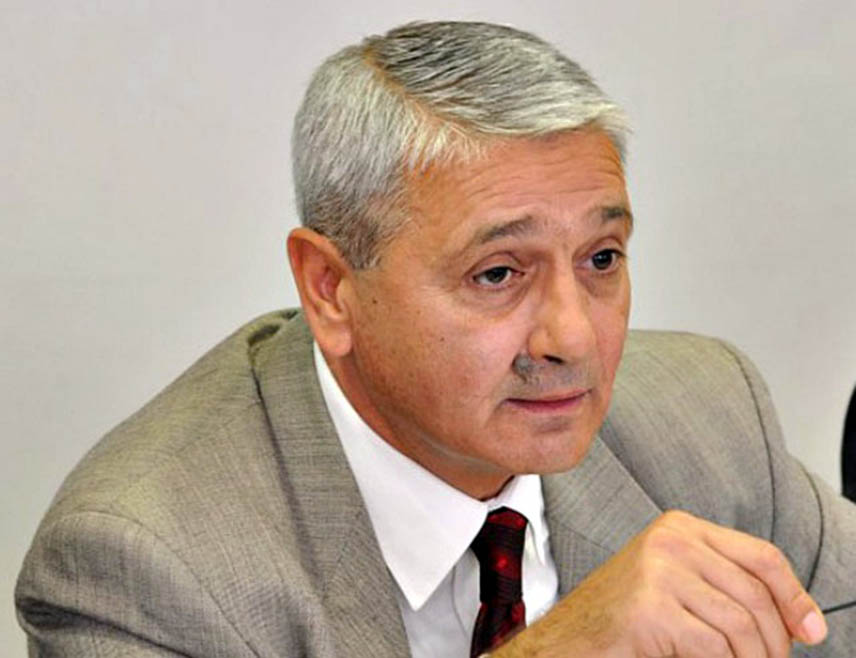
BELGRADE, DECEMBER 25 /SRNA/ – The Austro-Hungarian camp in Doboj during World War I was the first concentration camp in Europe and a prelude to all subsequent concentration camps on European soil, marking the beginning of a continuous genocide against the Serbs that culminated in the Independent State of Croatia /NDH/, historian Radovan Kalabić told SRNA.
"More than 45,000 Serbs from the Drina Valley, the Drina basin, Serbia, and Montenegro passed through the horrors of the notorious Doboj camp, of whom 12,000 did not survive, including 700 children. They were systematically exhausted and tortured to death, and Europe and the world must know this," Kalabić stressed. He added that it must also constantly be emphasized that Austro-Hungarian regular troops committed true genocide against Serbian civilians in the Mačva and Podrinje regions. Marking 110 years since the internment of Serbs in the Doboj camp, Kalabić said it is little known that the Austro-Hungarian authorities, who annexed BiH in 1908, had already prepared lists of Serbs who were immediately interned in camps such as Arad in Romania, Neusiedl in Austria, and other sites of mass suffering once World War I began in 1914. "This is an entire geography of camps. There were 300 such camps, and 200,000 Serbs perished in them. The late Žarko Vidović, a native of Sarajevo who survived Jasenovac and was the first to testify about the origin of the song `Đurđevdan,` once told me: `Radovan, we are a people of camp experience,`" Kalabić said. He added that the Serbian people, tragically, endured the horrors of concentration camps three times during the 20th century and are genuine victims of genocide, stressing that this is a topic that must never be silenced. "The great Serbian historian Radovan Samardžić rightly said that it is a historical phenomenon that, given the strength and number of enemies that have attacked the Serbs throughout history, we have survived at all and that even a single member of our people still exists," Kalabić noted. He added that the essence of all hostile efforts has been an attempt to physically and spiritually annihilate the Serbs. Kalabić emphasized that the reasons for this should primarily be sought in the fact that the West perceives the Serbs as an extension of Russian policy, and that Serbophobia is merely a branch of Russophobia, with both peoples viewed unfavorably because they are Orthodox. "You have repeated statements by Brzezinski, as a strategist of the new world order: ‘We are done with communism; Orthodoxy is next.’ This is a formula that still applies today, and then comes the idea that we Serbs built our house in the wrong place and are therefore under attack," Kalabić said. The Austro-Hungarian authorities established the Doboj concentration camp for Serbs on December 27, 1915. Between 1915 and 1917, an estimated 45,791 Serbs were interned in the Doboj camp, including 16,673 men and 16,996 women and children from BiH, as well as 12,122 Serbian soldiers and a number of elderly people, women, and children from Serbia and Montenegro, of whom around 12,000 perished. The Pedagogical Institute of Republika Srpska has decided that every December 27, all primary and secondary schools in Republika Srpska will dedicate one class period to commemorating the suffering of Serbs in the Doboj camp from 1915 to 1917. The victims of the Doboj camp were canonized by the Holy Assembly of Bishops of the Serbian Orthodox Church as New Martyrs of the Zvornik–Tuzla Eparchy.
English
1 hour from now
PLOTAN: CENTRAL BANKS WILL OVERCOME GEOPOLITICAL CHALLENGES IF THEY LEARN TO PLAY "RISK"
BANJA LUKA, APRIL 14 /SRNA/ - In order to avoid similar economic episodes in the future, as it was the one in 2008, central bankers should be encourag...
51 minutes from now
NEW GOVERNMENT IN BUDAPEST DESPERATELY TRYING TO PROVE ITSELF TO BRUSSELS
BELGRADE, APRIL 14 /SRNA/ – The leader of the Serb League, Aleksandar Đurđev, assessed that the attacks made by Hungarian opposition leader Peter Magy...
13 hours ago
MOCKING ORBÁN'S POLITICAL CHALLENGES SHOWS THAT OPPOSITION IS SHORT-SIGHTED
ROGATICA, APRIL 13 /SRNA/ – Viktor Orbán has for years demonstrated political understanding and support for the Serb people, and rejoicing over his po...
14 hours ago
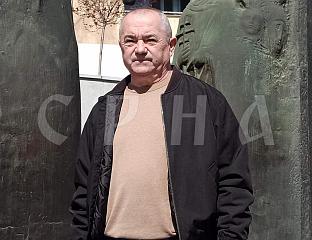
MARKOVIĆ: SARAJEVO JUDICIARY TASKED WITH ACQUITTING MUSLIMS
ZVORNIK, APRIL 13 /SRNA/ – The President of the Zvornik Organization of Families of Fallen and Captured Soldiers and Missing Civilians Milivoje Markov...
16 hours ago
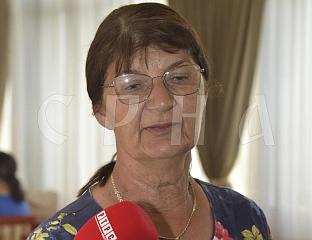
BiH COURT UNDERMINING JUSTICE FOR SERB CIVILIANS BY ACQUITTING CRIMINALS
ISTOČNO SARAJEVO, APRIL 13 /SRNA/ – The President of the Republika Srpska Association of Women War Victims Božica Živković Rajilić told SRNA that by a...
16 hours ago
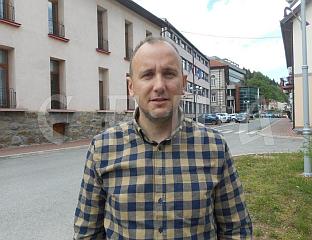
IN SARAJEVO THEY ACQUIT THOSE RESPONSIBLE FOR CRIMES AGAINST SERB CIVILIANS
SREBRENICA, APRIL 13 /SRNA/ – The President of the Organization of Families of Captured and Fallen Soldiers and Missing Civilians of Srebrenica Branim...