


 LATEST NEWS:
English
15.03.2026
 11:59:00
TUESDAY MARKS 22 YEARS SINCE MARCH POGROM AGAINST SERBS IN KOSOVO AND METOHIJA
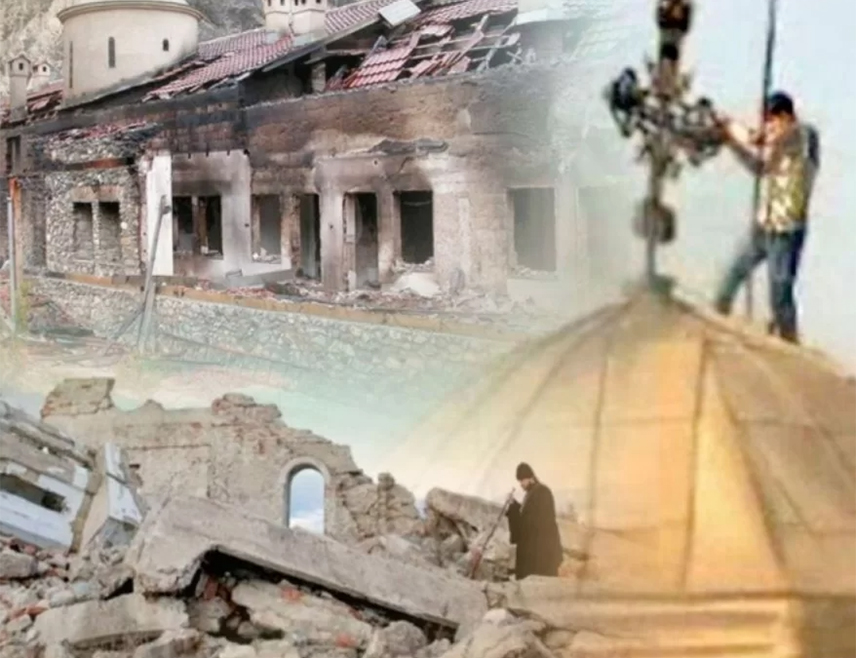
BELGRADE, MARCH 15 /SRNA/ – The March pogrom in Kosovo and Metohija, one of the most tragic events in recent Serbian history, began on March 17, 2004, when Albanians expelled 4,000 Serbs, ethnically cleansed six towns and nine villages, and destroyed or desecrated 35 Orthodox churches and monasteries, as well as more than 800 Serbian homes.
It was the second major pogrom of Albanians against Serbs after the NATO aggression, when in June 1999, in the presence of international military forces, nearly a quarter of a million Serbs and other non-Albanians were expelled from Kosovo and Metohija. The March pogrom 22 years ago was not a spontaneous incident but a planned action aimed at further ethnic cleansing of Serbs. The pretext for three days of Albanian violence was a false report by Albanian media claiming that Serbs were responsible for the drowning of three Albanian boys in the Ibar River, which, according to Albanian sources, occurred on March 16. From the early morning of March 17, Albanians launched attacks on Serbs across Kosovo and Metohija, burning and demolishing Serbian homes and centuries-old Serbian churches and monasteries. Later that evening, UNMIK denied the accusations that Serbs were responsible for the deaths of the Albanian boys, but the violence did not stop, and 19,000 KFOR troops engaged to quell the unrest failed to restrain Albanian extremists. According to a UNMIK report, 19 people were killed and nearly 1,000 injured, including around 60 members each of KFOR and UNMIK. Serbs fled to save their lives, and most of them never returned to their homes. According to UNMIK estimates, around 60,000 Albanians took part in the unrest at 33 locations. The Albanian violence ended after NATO sent reinforcements led by Admiral Gregory Johnson, commander of the alliance’s southern wing, who described the events as ethnic cleansing. The consequences of the March pogrom are still visible - the Serbian community in Kosovo and Metohija has been reduced to enclaves, and less than five percent of displaced persons have returned to their homes. Destroyed holy places, including those later placed under UNESCO protection, testify to a cultural genocide that has gone unpunished. At the time, the pogrom was condemned by both the UN Security Council and the EU, but the organizers have never been punished.
English
1 hour from now

YOUNG LUNA VUJOVIĆ ACHIEVES BIGGEST SUCCESS OF HER CAREER IN CASABLANCA
BELGRADE, JUNE 14 /SRNA/ – Sixteen-year-old Serbian tennis player Luna Vujović won the biggest title of her career so far by triumphing at the ITF W35...
23 minutes ago
DELAY IN COURT'S RULING LINKED TO DODIK'S POSSIBLE ELECTION CANDIDACY
BELGRADE, JUNE14 /SRNA/ – The delay by the Constitutional Court of BiH in ruling on the constitutionality of Christian Schmidt’s interventions in the...
30 minutes ago
DOBOJ SNSD COMMITTEE NOMINATES DODIK, PETROVIĆ AND JOŠIĆ FOR KEY ELECTORAL CANDIDACIES
DOBOJ, JUNE 14 /SRNA/ – The Doboj SNSD City Committee today proposed that party leader Milorad Dodik be the candidate in the October general elections...
37 minutes ago
OPPOSITION'S POLITICS - THEATRE OF ABSURD; THEY PRESENTED COUNTER AS POLITICAL RESULT
ISTOČNO SARAJEVO, JUNE 14 /SRNA/ – SNSD Presidency member Staša Košarac said that the opposition today, after yet another in a series of meetings, pre...
55 minutes ago
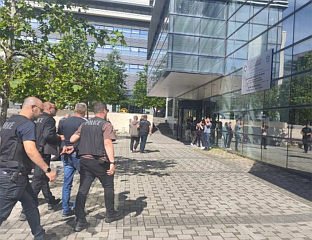
FIVE SERBS ARRESTED OVER ALLEGED CRIME IN RAČAK, IMMEDIATELY BROUGHT BEFORE JUDGE
PRIŠTINA, JUNE 14 /SRNA/ – Five Serbs from the areas of Štrpce and Gnjilane were arrested today on suspicion of involvement in an alleged war crime in...
2 hours ago
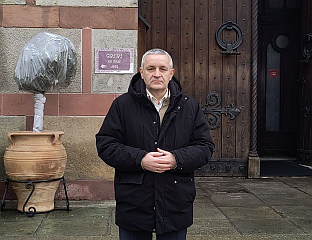
URGENT TALKS WITH CROATIA REQUIRED OVER PROSECUTION OF KRAJINA VETERANS
BELGRADE, JUNE 14 /SRNA/ – Chair of the Association of Serbs from the Region, Miodrag Linta, has today called on Serbia’s Justice Minister Nenad Vujić...