


 LATEST NEWS:
English
03.07.2026
 12:01:00
MASS CRIMES AGAINST SERBS IN PODRINJE AIMED TO ERASE SERB PRESENCE
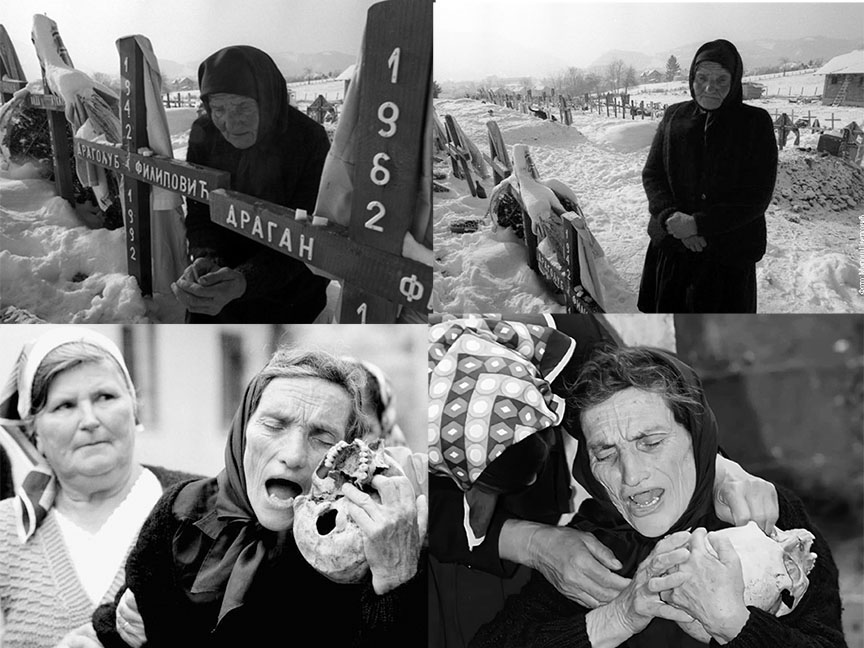
BELGRADE, JULY 3 /SRNA/ - The mass crimes against Serbs in the central Podrinje region, committed by Muslim forces during the war in BiH, represent ethnic cleansing aimed at erasing the Serb presence from that area, stated historian Nikola Miloševski, curator at the Museum of Genocide Victims.
Miloševski told SRNA that tomorrow's memorial service in Bratunac for the 3,267 murdered Serbs from central Podrinje and Birač represents an important act in the culture of remembrance and paying respects to innocent victims who deserve dignity, remembrance, and reverence. He pointed out that it is particularly important to note that this year's commemoration marking 34 years since the suffering of Serbs in central Podrinje on St. Peter's Day is specially dedicated to children, the most innocent and tragic victims of any war. "This reminds us that Serbian civilians and Serbian families were precisely the most vulnerable victims in the conflict in the Podrinje region," Miloševski said. According to him, it should be emphasized that the mass crimes committed by Muslim forces during the war in the central Podrinje region are characterized as ethnic cleansing. "Their intention was obviously to erase the Serb presence from this territory in every possible way. To begin with, by erasing the people, and then by erasing every trace that they and their ancestors lived in that area," he pointed out. Miloševski notes that, as in many other cases regarding the war for the Yugoslav succession, the politicization by the international community often tends to minimize Serbian victims compared to others, and results in the justice they expect remaining unfulfilled. "We see this in this example and in many others. When it comes to the international community, we must continue doing our job and appealing to its work. We cannot influence its work, but we can influence how we treat our own victims," emphasized Miloševski. He says that as a historian, he considers nurturing the culture of remembrance to be one of the foundations of a responsible attitude toward the past, not only among government representatives but also within the broader community. "History must not be a tool for deepening divisions, but a warning of how important it is to remember our victims," stressed Miloševski. He reminded that the Museum of Genocide Victims has dealt with the suffering of Serbs around Bratunac and Srebrenica, and that it has a scientific journal in which historians and researchers have contributed publications related to the suffering in that area. This year's commemoration of more than three decades since the Serb suffering is being held under the slogan, "You don't need an invitation to Bratunac, you just go to Bratunac," which serves as an invitation to all people of good will to come and pay their respects to the perished Serbs of this region in the Defense-Patriotic War. Among the 3,267 murdered Serbs are 47 children. One of them is a 12-year-old boy, Slobodan Stojanović, who was brutally killed in Kamenica near Zvornik in July 1992 by Elfeta Veseli, a member of the Sabotage Platoon of the so-called Army of BiH. The Serbian Orthodox Church declared Slobodan Stojanović a holy new martyr. In Bratunac, a memorial service will be held for all Serbian victims from central Podrinje and Birač in the Defense-Patriotic War. It is organized to mark 34 years since the great suffering of Serbs on St. Peter's Day in 1992 in the villages around Srebrenica and Bratunac, when 69 soldiers and civilians were killed and 22 were captured, none of whom survived.
English
1 hour ago
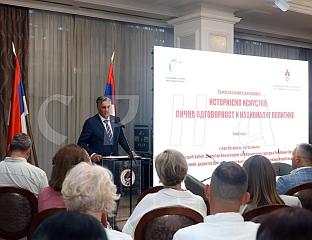
KARAN: THE HISTORICAL EXPERIENCE OF SUFFERING CONNECTS THE SERBIAN AND JEWISH PEOPLE
BANJA LUKA, AUGUST 31 /SRNA/ - The President of Republika Srpska, Siniša Karan, stated that the Serbian and Jewish people are connected by a deep hist...
1 hour ago

BOOK "YONI’S LAST BATTLE" - TESTIMONY TO ONE OF THE MOST SUCCESSFUL MILITARY OPERATIONS
BANJA LUKA, AUGUST 31 /SRNA/ – The book Yoni’s Last Battle: The Rescue Operation at Entebbe, 1976, by Iddo Netanyahu, reflects a strong historical exp...
1 hour ago
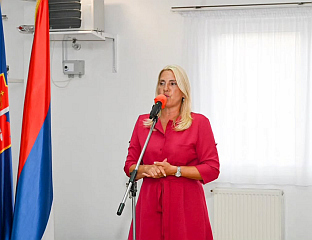
CVIJANOVIĆ: JOINTLY CREATE EVEN BETTER CONDITIONS FOR BUSINESS AND INVESTMENT
MRKONJIĆ GRAD, AUGUST 31 /SRNA/ – Serb BiH Presidency member Željka Cvijanović says that the evening with entrepreneurs in Mrkonjić Grad was a good op...
2 hours ago
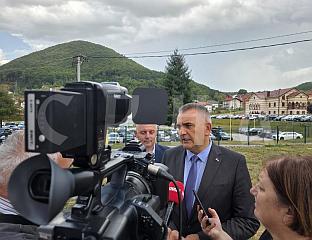
MINIĆ: ECONOMIC ACTIVITY AND EMPLOYMENT BOTH GROWING IN SRPSKA
MRKONJIĆ GRAD, AUGUST 31 /SRNA/ – An Entrepreneurs Evening was held in Mrkonjić Grad this evening, attended by Republika Srpska officials, entrepreneu...
6 hours ago

DODIK: INTERNATIONALS WOULD LIKE TO RIG ELECTIONS IN BiH
BANJA LUKA, AUGUST 31 /SRNA/ – SNSD leader Milorad Dodik says the purpose of introducing new technologies into the upcoming electoral process in BiH i...
7 hours ago

55,000 CRIMINAL COMPLAINTS FILED AGAINST SRPSKA RESIDENTS OVER POSTS FOLLOWING GENERAL MLADIĆ’S DEATH
BANJA LUKA, AUGUST 31 /SRNA/ – President Milorad Dodik has said today that 55,000 criminal complaints has been filed against Republika Srpska resident...